6.50-10 Forklift Tire: Performance and Selection – A Complete Essential & Trusted Guide
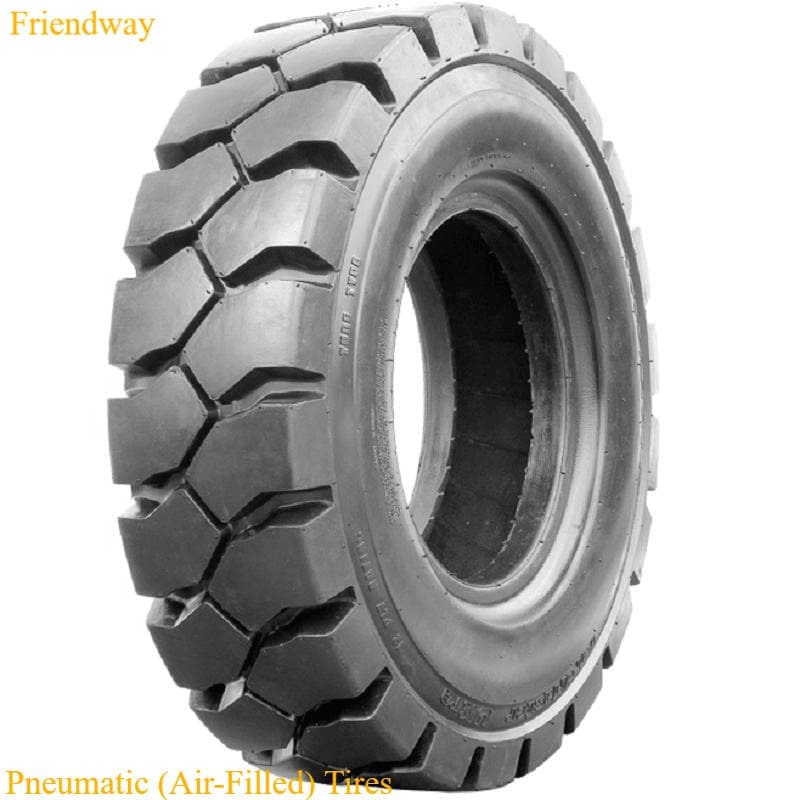
When it comes to tires, the 6.50-10 tires are especially important in the material handling industry. Many small to medium-sized forklifts use these tires as a base component. These tires are also known for their impressive combination of stability and maneuverability; as a result, they are used in numerous industrial warehouses. Choosing the correct 6.50-10 tire for the forklift is a matter of choice. The choice you make next will determine how safe, efficient, and well performing the forklift will be. This guide is intended to prepare you for the correct decision. With the correct tires, your fleet will be able to run on full power.
How to Read a Tire Code: The 6.50-10 Forklift Tire
Deciphering the numbers which appear on the side wall of a tire can be quite tricky. This is a language of its own and it details the tires and their dimensions and how it is supposed to be built. Your mission is to grasp the demystified foundation and work uphor through this evolutionary model. This will ensure that the tire is best suited for your device. There is 6.50-10 as a tire code and each of the numbers and the 10 does carry important information. Let’s decode this important tire code.
6.50: The Tire’s Nominal Section Width
6.50 refers to the nominal section width of the tire, measured in inches. It spans the distance from the widest point on one sidewall to the most outward point on the other sidewall. The width of the tire on a forklift plays a very important role in the machine’s performance. The broader the tire, the bigger and more stable the footprint on the ground. That means more contact area, better weight distribution, and improved machine stability, especially when performing lift operations.
The Hyphen: Signifying Construction Type
The size of the tire is demarcated by a hyphen, 6.50-10. The hyphen is also a significant identifier. It denotes, in a traditional sense, the construction of a pneumatic tire as a bias-ply. In the case of solid tires, it is size construction. It separates the width of the tire from the diameter of the rim. This is very crucial to ascertain that you make the right order.
10: The Critical Rim Diameter
The last number, 10, corresponds to the size of the rim in inches. This is a “take it or leave it” measurement. This tire is designed specifically to fit a wheel that is 10 inches in diameter. The rim size of the forklift has to be that exact measurement. Any other rim size will not work. Far worse, it is dangerous behavior that could result in the complete disintegration of the entire wheel assembly.
Core Technologies: The 6.50-10 Tire Types
Size 6.50-10 comes in two primary technologies. Each has its own set of benefits that can be used in a particular surrounding. This will be the most important decision that determines the performance of the forklift. In addition, it will affect your maintenance costs as well as the operational up-time. It is imperative that you have a complete grasp of every type. Only then can you properly match a tire's features to your requirements.
Pneumatic (Air-Filled) Tires: The Outdoor Comfort Choice
Pneumatic tires are almost identical to the tires that are used on cars or trucks. The tires have a casing of strong rubber that also contains a fabric layer. The casing is then put onto the inflation apparatus where it is filled with gas. On the other hand, it is also predicted that these tires are securely fixed to a multi-part wheel. There is a common design used with forklifts which are used almost exclusively outdoors.
The most important characteristic that makes pneumatic tires useful is the ease of sensation when being driven on them. The air that is put in the tires acts as a natural absorber which makes riding on uneven and rugged surfaces easier to overcome. This is a primary benefit that makes it easier to operate the machine and prevents them from feeling tired. The pneumatic tires also help to protect the machine as the shock and vibrations are absorbed instead of being passed onto the machine’s components.
Nevertheless, the air which provides the comfort that comes with the tires, is the same comfort that is a problem. Pneumatic tires can become punctured very easily. A flat tire can be easily caused by a nail, screw or some other sharp object. This results in immediate and expensive standstill. The tires, however, are not suitable for all environments. They work best in outdoor areas that have very few sharp objects.

Solid Rubber Tires: The Indestructible Industrial Standard
For most industrial purposes, solid rubber tires are the widely preferred choice when it comes to the tires used on forklifts. Tires are solid pieces of tough rubber and do not have any air cavities, and hence cannot get punctured, which makes them flat proof.
Puncturing comes as one of the common issues of downtime on forklifts, and tire downtime is the most common among all. Solid rubber tires are hence, perfect to use in the most punishing conditions, which include manufacturing factories, recycling centers, and any places where there are pieces of debris on the floor.
The press on solid rubber tires, which are 6.50-10 in size, usually come in the form of solid rubber tires bonded to a steel band. The whole unit is then attached to the wheel hub of a forklift, which is carried out with the help of a powerful hydraulic system to create one solid wheel. The only drawback to the system is that the solid wheel provides almost no cushioning to the operator, and hence is only suited for use on smooth, dry flooring.

Reflections on Clean Floors and Durable Forklift Tires
Keeping floors clean is critical in many industries. Conventional business rubber tires are known to leave marks on floors during tight turns. According to experts, this is due to the presence of carbon black in the rubber. In order to overcome this problem, manufacturers created non-marking tires using a different set of materials. The former tires are made using Silica, and other cheap non-staining fillers that are soft of the surface, thus resulting in the non-marking tires.
Food, hospitality, and drinks manufacturing companies cannot risk exposing their items to contamination from black rubber. In the works, the pharmaceutical and electronics industries also operate in the cleanest environments possible. In order to preserve the cleanliness of a facility, non-marking tires are used on industrial forklifts. It’s worth mentioning that the compounds may wear out faster than black rubber, but the cleanliness that is provides is unbeatable.
The Strategic Selection Process: A Guide on How to Choose the Best 6.50-10 Forklift Tire
Every purchase needs to be taken seriously and this step is to be taken with utmost care and caution. In this instance too, the case is no different and therefore the focus is on the purchase. It is of utmost importance that the purchase is value-formoney stemming from the total expenditure on it.
Step 1: Identify the Advantages of the Environment
Along with the economics of the venture, it is the value that is o be eobtained from the task in the entire process. Make sure to note and focus attention on the major worries or concerns that you need to address. Make sure to understand the type of end result that you have in mind.
Step 2: Confirm All Load and Capacity Requirements
Make sure the tire you picked can support the weight of the forklift and the loads being carried on it. For pneumatic tires, there is a ply rating that you need to take a closer look at. For solid tires, review the load lift capacity the manufacturer has provided. The tire must have a capacity equal to or greater than the forklift's maximum lift capacity. You must never fit an underrated tire. A tire's overloading is a tire safety violation and can result to dangerous and sudden malfunction.
Step 3: Assess Operational Intensity
Your operations being either high or low is another important element or factor to be considered. How many hours a day do your forklifts operate, and how many days a week do they operate? For a single shift low intensity operation, the overall tire needs is very different from a high demand 24/7 dispersed operations center. With high intensity multi shift operations, solid rubber tires are the best since they have the longest service life. The able to spend the constant usage of a 24 hour shift operation. Their damage minimization is crucial for fast paced environments. For lower usage and single shift use, you are more likely to find better cost pneumatic tires.
Step 4: Ensure the Comfort and Productivity of the Operator
The comfort of the operator and the bottom line should never be underestimated. Riding on vibrating platforms operator fatigue and tired operators productivity, along with increasing the chances of costly errors, is every managers nightmare. For forklifts that are used for long, uninterrupted shifts, the ride pneumatic tires is what is most important. Solid tires are very uncomfortable. Rough outdoor yards with pneumatic tires are much smoother and yield positive morale, operator retention, and ultimately productivity, and is the reason why purchasing the smoother riding is a business decision that, on all accounts, should be implemented.
If you encounter difficulties when choosing 6.50-10 forklift tires, you can contact us to help you solve it.

Tire Maintenance for Forklifts
The 6.50-10 tires that are of high quality and expensive needs to be maintained and protected. Failing to follow disciplined and consistent maintenance of the tires is the very opposite of what should be done to maximize the life of the tires. More importantly, tire maintenance is the very basic fundamental and primary constituent of a weak operational culture.
The Operator's Role: Daily Visual Inspections
Operators of forklifts are your first and best line of defense. They should be capable of performing a quick walk-around inspection at the start of every shift. They should check to see if there are any deep cuts, cracks, or strange bulgings. They should also inspect tires and look for any negative signs on the sidewalls. For solid tires, look for significant pieces of chunking or tearing. For pneumatic tires, look for any signs of low pressure. These two minutes can save an organization plenty of money.
The Significance of the Wear Line on Solid Tires
The solid forklift tires come with a safety indicator which is critical and non-negotiable. This is also commonly referred to as the wear line or the safety line. This line is embedded on the sidewall of the tire. The tire is considered to be at the end of its useful and safe service life when the tread is worn to this line and should be replaced instantly. Operating on a tire which is worn beyond this line is vastly dangerous. It decreases the machine's stability and its safe lifting capacity. It also provides no cushioning at all, which is a huge concern. The forklift's axle, the operator's body, and the whole machine as a unit is placed under a lot of unnecessary stress.
The Importance of Professional Installation Services
Replacing forklift tires is a task that requires professionals trained in the field. It needs the use of specialized, heavy, and potentially dangerous machinery. Solid press-on tires, in particular, need to be fitted with a large hydraulic press. This machine applies several tons of force to press the tire onto the wheel. The work cannot be done without the proper equipment and training. It is also dangerous to do so. For all your replacement needs, always go to a reputable industrial tire service company. They have the right tools, training, and expertise to do the work without compromising safety and quality.
Added Factors for Maximized Fleet Performance
Advanced operations for maximum possible efficiency have other elements to consider. These factors can enhance the tire selection process.
How Tread Patterns Impact Performance
The 6.50-10 solid tire category also has different tread patterns. For dry, clean, and indoor applications, the best option is a completely smooth tread. It allows maximum contact patch with the floor, which optimizes grip and stability. On the other hand, for wet and dusty conditions, a tread with grooves and lugs offers better performance, since the grooves help channel the water and the lugs adds extra biting edges.
You can go to Instagram to check more forklift tire patterns.
Understanding Durometer (Rubber Hardness)
A tire’s rubber compound is categorized into softer or harder compound. A higher durometer compound offers lower rolling resistance and therefore, better battery life for electric forklifts. Higher durometer tires also have longer life. However, the traction is lost as rubber compound gets harder. For electric forklifts, the right durometer is a strategic balance between traction and overall performance characteristcs.
All in all, the 6.50-10 forklift tire is something that you need to keep in your operations. Spending is investing in the security and productivity of your entire fleet. Price is really the least important factor. It is best to approach such a thing as a more intelligent and strategic decision. Tailor your approach to the specifics of your inflating business. Knowing the fundamental differences between the solid and pneumatic technologies is imperative. As important is the need to apply a professional and thorough routine of maintenance. Before all else, your material handling operations will become more safeguarded, efficient and profitable. The foundations that your forklifts will stand on will guarantee all of them an optimal performance.

Looking for Factory-Direct Tires for Your Fleet?
Get instant wholesale specifications, custom branding, and mixed-container shipment plans.
Contact Engineering →