Best 12.5/80-18 Backhoe Tires
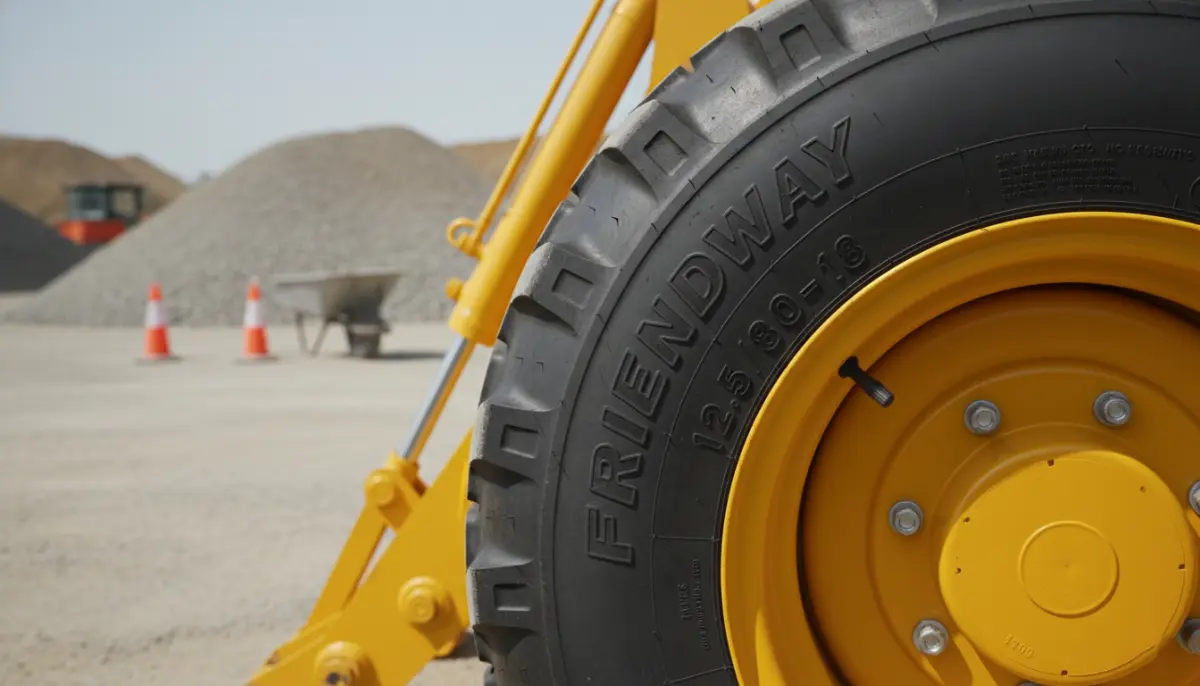
The Versatile Workhorse: An Introduction to the 12.5/80-18 Backhoe Tire
Selecting the backhoe tire is a pivotal operational decision. It affects the efficiency, stability, and safety of the machine. Hence, the 12.5/80-18 tire size is of equal importance in the industry. The tire is flexible and widely adopted, consequently, it is often used for front steering axles. In addition, it is used as the front and rear tires for compact backhoe models. Its unique dimensions provide the ideal combination of flotation and durability. The tire must also perform a multitude of demanding tasks. It supports the heavy loader weights, and also, provides precise steering. On the other hand, a tire in this size that is poorly chosen can cripple performance. It will also cause undue wear and pose a safety risk. The 12.5/80-18 tire is complex, this guide will help you navigate the intricacies. It will help you make a choice that will add value to the machine.

Clarifying 12.5/80-18 Backhoe Tire Specification
Every sidewall on a tire is marked using a code made up of letters and numbers. This is a form of identity. Getting this code is the first step in making a purchase for a tire. This is the reason for every code in the form of numbers and symbols. The number 12.5 in this case is the nominal section width of the tire in inches. This is the measurement between the sidewalls and the mid section at its highest point. This width gives a stable base for the tire to be fitted on the front axle. The next number 80 is the tire's aspect ratio. This means the sidewall height is 80% of the width of the tire. The last number, 18, is the diameter in inches of the rim. This means the tire is meant to be fitted on a wheel that is 18 inches wide. Another way to write this size is using a dash (12.5/80-18). This is a less common way but is usually understood to represent a bias ply tire. For a radial tire, the notation is different, and the 'R' is used (12.5/80R18).
The Importance of Ply Rating and Load Index
The toughness of backhoe tires is extremely important. Hence why every tough backhoe tire comes with a ply rating. This rating represents the estimated amount of weight the tire can carry. Most tires with a size of 12.5/80-18 come with a very high ply rating. Most people have the option of choosing a 10, 12, or 14 ply tire and so it is very easy to get them. So, a higher ply rating will be better puncture resistant and it will be able to handle the enormous pressure a loaded bucket puts on the tire. That measurement is now for the Load Index. This Index is a number assigned to a weight that is claimed to be the maximum weight that can be placed on the tire. In layman’s terms, that means that loads greater than the max weight will lead to the tire failing under a load. Always check the backhoe tire. Make sure that it is the tire that supports the backhoe and is able to be loaded as per its index rating.

The Decision for Bias-Ply Versus Radial is Based on Strategic Performance
The Bias and Radial internal construction of a tire comes with significant different behavior traits. You have the important decision to make with Bias-Ply.
Indestructible Toughness of Bias-Ply Tires
Bias-ply tires are rough and rugged and are the original design for a great many applications. Their internal body cords run bead to bead in diagonally oriented overlapping layers. Bias-ply tires are noted for having a very rigid and strong side wall. The protection bias-ply tires give against cuts and side impacts is excellent. This is the reason bias-ply tires are used the most in demolition and rocky areas. Another advantage is the bias-ply tires are cheaper and more affordable. In transport however, the design does cause a lot of heat buildup. Due to the downside of causing over heating, the road speed is lower and road wear is accelerated.
The Optimized Ride and Wear of Radial Tires
Radial tires represent modern and advanced designs. These body cords are bead to bead and oriented in a perpendicular way. This allows the side wall and tread to function independently and the application of a set of steel belts directly under the tread. Radial tires are noted for having a side wall and tread that are much more flexible and have noted improvements for the passengers in terms of comfort. In addition to the above, radial tires also run cooler and have lower rolling resistance. Tread life and fuel efficiency is significantly improved with lower rolling resistance. A downside is the side walls are much more prone to severe impacts and damage.
Mastering Key Tread Patterns: I-3, F-3, and R-4 Designs
Tread patterns are interfaces between tires and the ground. The 12.5/80-18 size comes with multiple key patterns.
The I-3 Traction Implement Tread
The I-3 (traction implement/tractor-style) is an option often encountered. It is powered with deep, aggressive, V-shaped lugs. This construction offers optimal traction in loose dirt and mud. This is ideal for backhoes primarily used in undeveloped, agricultural, or extremely wet conditions. The voids are self-cleaning, enabling the tread to maintain pulling power. On the other hand, the I-3 pattern is much rougher on pavement and causes faster tire wear on pavement.
F-3 Industrial Rib Tread
Another popular option is the F-3 pattern (industrial rib/multi-rib tread). It has many cargo ribs that span the entire circumference of the tire. This design is best suited for steering on hard surfaces. As a result, it also provides excellent directional steering control while maintaining low rolling resistance. F-3 is best for backhoes that operate frequently on pavements. In addition, it has very low intrusion on turf and surrounding finished surfaces. On the contrary, its traction in mud or loose soil is very poor.
R-4 Industrial Lug Tread
The versatile, all-around industrial champion is the R-4 pattern. It has a blockier, less aggressive lug pattern than the I-3. The lugs are also wider and spaced more closely together. As a result, it is a good compromise between traction and wear. It works well on soft and hard surfaces. In addition, the R-4 is smoother than the I-3 while transporting. It has become the preferred tire for mixed-use front axle applications. On the contrary, it has less deep mud traction than an I-3.

Revolution Primary Brands & Suppliers for 12.5/80-18 Backhoe Tires
Buying from premium brands guarantees the quality of raw materials, finished products, and the craftsmanship behind the product.
Titan & Goodyear – American made Assurance & Reliability
Titan International has made a distinct name for itself in the Off-The-Road tire category in the USA region, boasting an impressive collection of 12.5/80-18 tires. Titan tires have a strong reputation for the enduring nature of the tires and the strong casing of the tires. Goodyear is a world leader, and its Industrial tires are specially manufactured for extended durability and dependable performance. It is very common to see both brands as original equipment on a new machine.
Friendway and Alliance – Global Leaders in Value with Performance
Global Excel tyres (Friendway) is known as a tire manufacturer offering high performance at competitive prices. Their reputation comes from the impressive performance tires they sell at reasonable prices. The tread compounds they manufacture have a remarkable capability for cut and chip resistance. Another well-known player is Alliance Tire Group. They are distinguished by their robust construction and ingenuity. Such brands serve as great alternatives to top premium brands.
Carlisle and Deestone: Time-Tested and Reliable Choices
Carlisle and Deestone are proven choices. Deestone is a popular option in the value-oriented segment and is part of Carlisle's product line. Lower-value tires are not ideal for highly demanding applications. Both brands provide worry-free and reliable support.

Tire Inflation: The Cornerstone of Maintenance and Performance
Tire inflation is the most important part of tire maintenance and has the greatest impact on performance. The most common type of performance failure comes from low tire pressure. Tires can flex too much under low pressure, causing overheating that damages the tire's rubber and cords. Excessive flexing also results in uneven and accelerated wear on the outer shoulders. The opposite extreme is also problematic. Over-inflation increases the risk of heat buildup, internal damage, and accelerated wear to the center of the tread. Using a reliable, accurate tire pressure gauge for daily checks is essential. Always inflate to the pressure recommended by the manufacturer.

Necessary Maintenance Protocols for Safety and Longevity
Having an organized and insightful examination schedule will protect the asset. Each day, a “walk-around” examination within the field perimeter is necessary. Before a shift begins, a quick glance at the tires is advisable. Consequently, the sidewalls of each tire need an assessment for cuts, cracks, or bulges. A bulge indicates separation and means the tire must be replaced immediately. Further, any tread and surrounding area must be inspected for stones, nails, and other debris. These objects need to be removed to prevent further penetration deep into the casing. Also, the rim area must be examined. Check for slippage or any damage to the bead. This simple, proactive preventive approach can avoid costly and dangerous failures.

Operator Practices: Directly Impacting Tire Longevity
Operator behavior has an immediate impact on tire lifespan. Therefore, tire-saving practices must be included in operator training. Aggressive driving habits are among the most damaging to tires. Sudden starts, sudden stops, and high-speed turns all cause tire scrubbing and damage. Excessive wheel spin while loading or digging is the most damaging of all. Moreover, operators are encouraged to move in a smooth manner. Urge operators to avoid sharp debris, curbs, and potholes. In contrast, smooth, controlled driving is tire-friendly. Organizations that prioritize careful operation reduce tire servicing costs, as this approach significantly extends tire service life.
No More Downtime: Vertically Filling a Tire with Foam
For certain operations, particularly those with high-risk activities, pneumatic tires pose a liability. Foam filling a 12.5/80-18 tire is a process that creates a flat-proof solution. Foam filling involves injecting rip-cured, liquid polyurethane into a tire casing and letting the polymer form a solid, flexible core. No pressure is ever lost, even with numerous punctures. This technique eliminates downtime caused by flat tires. This approach is especially useful for demolition sites, waste and scrap yards, and waste facilities. However, foam filling significantly increases the weight of the tire assembly and reduces ride comfort due to increased stiffness. These tradeoffs must be considered against the benefit of uninterrupted uptime.

Modern Innovations: Enhancing Tire Value and Performance
Modern tire manufacturers are constantly innovating. Therefore, many 12.5/80-18 tires now include value-added features. Look for tires with a built-in rim guard protector. This is a thick ridge of rubber on the lower sidewall that shields the steel wheel rim from impacts and abrasions. Furthermore, leading brands develop proprietary rubber compounds engineered for specific needs—such as resistance to cuts, chips, or heat-related wear. While these premium features may slightly increase the initial cost, they almost always deliver a better return on investment through longer tire life.
Understanding Total Cost of Ownership (TCO): Beyond the Purchase Price
When considering the true cost of a tire, the purchase price is only a fraction of the overall cost. A smart fleet manager understands Total Cost of Ownership (TCO). TCO calculates the tire's cost over its service life. For example, a cheap tire that wears out quickly has a high TCO. A more expensive but durable tire has a lower TCO. In addition to TCO, the cost of downtime is critical. Every hour a machine is idle due to a flat tire represents lost productivity and revenue. Better quality, durable tires prove more cost-effective in the long run. Thus, the key principle remains: base buying decisions on value, not just price.

Rim Condition and Installation: Ensuring Proper Tire Function
For a backhoe tire to function fully, all mounting aspects must meet high standards. Mounting heavy-duty backhoe tires is a task requiring utmost professionalism. It requires specialized equipment and protective gear, which is why it is recommended that mounting be done by a qualified technician. The condition of the wheel rim is just as critical. A rim should be thoroughly cleaned of rust, and checked for cracks or damage before fitting a new tire. A bent rim or damaged components will impair tire function and endanger the operator by causing air leaks or tire failure. Remember, proper rim maintenance prevents the loss of investment in the tire.

Finalizing Your Investment Strategy Regarding 12.5/80-18 Backhoe Tires
Unlike other equipment components, the 12.5/80-18 backhoe tire serves multiple functions simultaneously. As a result, the selection process must be thoughtful and informed. When evaluating your primary working surfaces, consider factors that will guide you to the appropriate tread pattern. Furthermore, choose a ply rating and load index that provide a safe margin for your heaviest workloads. Additionally, purchase from a reputable brand to ensure quality and long service life. On the other hand, never overlook the importance of daily maintenance and proper tire inflation. With the information provided, you can develop a comprehensive approach. Such choices will result in safe, profitable backhoe operation while maintaining desired productivity and performance levels.
Looking for Factory-Direct Tires for Your Fleet?
Get instant wholesale specifications, custom branding, and mixed-container shipment plans.
Contact Engineering →