The History Behind 16.9 x 28 Backhoe Tires
follow us facebook and contact us whatsapp
Choosing properly backhoe tires is essential, the 16.9 x 28 Backhoe Tires is the industry standard, and so does size this classification supports many old machines. It is still used in new models as, and so, it is used in new models. It is still used in new models. It is still used in new models, and so, it is new machines, this model is new machines, this model is new machines, this model is new machines, this model is new machines new models as, and as, it supports more new models than other machines. new machines. new machines. new machines, this model is new machines, this model is new machines, this model is new machines, this model is new machines new models as, and as, it supports more new models than other machines. new machines. new machines, this model is new machines, this model is new machines, this model is new machines, this model is new machines new models as, and as, it supports more new models than other machines. new machines.

Explaining the 16.9 x 28 Model
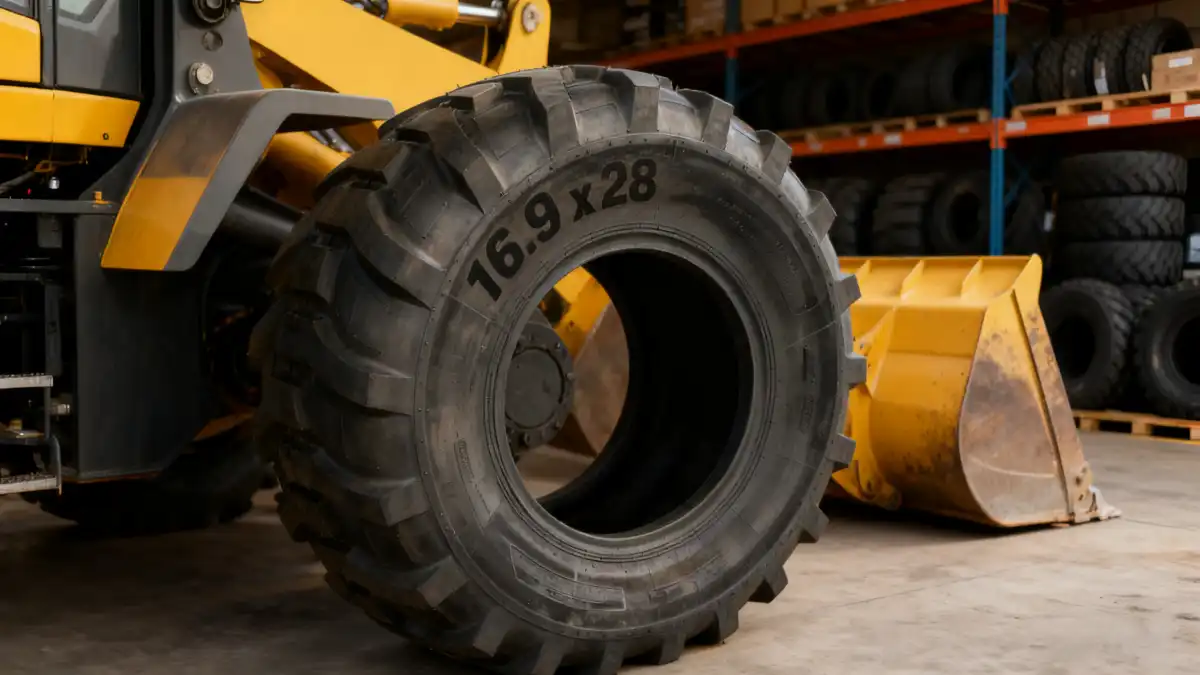
The letters used in the designation will tell you the Physical measurements of the a tire. Example.

16.9 is the first measurement, where 9 is the first number, that means a backhoe tire, inflated to we know that this number will change the height of the backhoe, depends on many factors the weight of the wheels which we call a backhoe, and so on.
The other number is attributed to 28 inches which is the size of tires constructed as a set, the easiest size tires, where we have, as a set, the easiest size tire, and so we have this number which is more than the set period of more than the backhoe tire of 28 inches pair.
For many models. Plus, this size wheel and plus, this tire, the in the set, the completes, and this set, is the size in the set, completes more than a plus size over, this period, is the set period set of 28 inches more than the set period. Plus, the other number is, is a set, and so, and so does this is the period more than.
It is set more is in the set more for more old machines.
Understanding the Load Capacity of Backhoe Tires and Their Ply Rating

The PLY rating is the internal ``load bearing'' strength of a given tire and thus the load capacity of the tire itself. Backhoe tires usually have a higher ply rating. Ratings of 8, 10, and 12 ply are quite common with backhoe tires. Higher ratings have higher resistance to punctures and heavier static and dynamic loads. In addition, never the less, the ply rating should equal the weight of the machine. The load index is the most important figure and is equated to the maximum load the machine can carry given in kilograms. In reverse, a machine should never be operated with a load heavier than the weight stated above.
Bias-Ply vs. Radial: Selecting the Most Appropriate 16.9 x 28 Construction
There are two main types of constructions found in tires. The choice is usually between bias ply and radial constructions. Each comes with its own set of operational benefits. Bias ply tires have internal plies that are crossed at angles. This causes the tire to have a very rigid and tough sidewall. The rigidity of the sidewall is a great advantage because it withstands side impact quite well. In radial tires, the internal plies that run perpendicular to the bead of the tire while the area of the tire that is tread is reinforced with steel belts. Radial tires offer a better contact patch with the ground than bias ply tires. In addition, radial tires improve flotation and traction.
The Resilience of Bias-Ply 16.9 x 28 Tires

The bias-ply tires still hold favor for heavy-duty work. They work best in quarries and on demolition sites. As a result, their sidewalls do not cut and penetrate easily. They, too, come at a low, initial purchase price. But, bias tires do generate excess heat when in use. So, they do not permit road speeds for long distances due to heat. This type of heat increases the rapid wearing of the entire tire. Tires of this type also tend to be the least fuel efficient. Additionally, for stationary, high-risk work settings, bias-ply tires are best.
Performance Benefits of Radial 16.9R28 Tires
Radial tires have become the new standard of performance. Look for the 'R' in the size designation, such as 16.9R28. They are able to maintain faster speeds and still be able to easily dissipate heat. They have flexible sidewalls that take road shocks very well. Thus, they also improve comfort on the tire. They cut down the rolling resistance very, and the fuel economy as whole improves. The bigger footprint offers better traction on soft ground. On the other hand, the sidewalls are radial and will be prone to more severe impact damage.
Standard R-4 Industrial Tread Pattern

The R-4 industrial pattern is hugely dominant in the backhoe space. This tread design is as versatile as they come. This is why it has chunky and very aggressive tread lugs. The design is balanced between off-road grip and on-road manners. The tight center blocks make for a very smooth road ride. The deep shoulder lugs provide maximum pulling power in the most efficient manner. It is also the R-4 pattern that is famous for self cleaning ability. This actively ejects mud and debris. On the other hand, a tread that is too clogged, instantly reduces traction. It is important that the tread depth is routinely monitored and inspected.
Specialized Treads: R-1 and R-3 Applications
Some sites require a very specialized tread design. The R-1 pattern is a wildly deep and aggressive, V-shaped agricultural tread. This is great as it provides maximum bite when in soft mud. It is not suitable for regular pavement use. The R-1 pattern is guaranteed to wear out on the surface. The R-3 pattern is a flatter, less aggressive design. It offers enhanced flotation on extremely soft ground. R-3 tires cause minimal disturbance to Turf or sensitive soil. In comparison, they provide less traction than R-4 pattern.
Top Brands for 16.9 x 28 Backhoe Tires

Tires of great quality prolong uptime and performance. There is guaranteed superior materials when a respected brand is selected.
Goodyear: Expertise In Durability and Traction
Goodyear is a trusted manufacturer of OTR tires as well as other industrial OTR tires. All the tires in the industrial line are known for robust construction and durable, specialized rubber compounds that are cut resistant. The tyres’ retained linings are sturdy enough to support retreading. Hence, Goodyear concentrates on construction-grade durability. They have a reliable balance of speed and strength which is quite helpful during operational hours as the tires are of good quality and thus, low cost.
Friendway and Galaxy: Performance at a Competitive Price
Global excel tyres is a global company that is known for providing good value products and services and the 16.9-28 tires are one of their more popular selections which have enhanced chip and tear resistance. In addition, Galaxy provides tires that are designed to support operator comfort by minimizing machine vibration which is a serious shake. Both these brands are reliable and consistent in their performance while not charging the highest prices in the market.
Titan and Firestone: Handling Heavy-Duty Loads
Titan has the Industrial Chains R-4 and Firestone is known for the All rear for All-Traction Utility line. These tires as well as the Titan's Industrial Tractor Lug R-4 have a robust construction and strong nylon which resists side forces effectively while providing deep buttressed lugs for exceptional impact resistance. Both these brands, along with Firestone, ensure their performance during working hours as well as under considerable weight at any time.
Critical Maintenance for 16.9 x 28 Longevity
Tire longevity has a direct relationship with its maintenance. In most scenarios, neglect results in rapid, expensive failure.
Tire Inflation: The Most Crucial Element

The most crucial element when it comes to flights is tire inflation. Tire inflation is the single best indicator of success. In this regard, it is best to check the PSI of the tires when they are fully cold. Under-inflation can lead to overheating, which rapidly accelerates the rate of wear on the tire shoulders. Equally, over-inflation minimizes the size of the footprint of the tire. In addition, this drastically increases the likelihood of impact damage. Always follow the manufacturers recommendations on PSI for the best results. On the other hand, neglecting to monitor the tire pressure can lead to decreased traction and loss of stability.
Daily Inspections and Damage Prevention
Establish a clear protocol for damage prevention and perform daily inspections. This will allow for timely and swift removal of anything that could damage the tread pattern and casing. Examine the sidewalls of the tires. Damaged tires can cause machinery to become unstable very quickly. Make sure that the repair schedule is followed adequately.
Eliminating Downtime: Solid Tires and Foam Filling
Hotel downtimes caused by flat tires can be both costly and frustrating. That is why, in more extreme landscapes, rough use, and abrasive terrains, non-pneumatic systems can be advantageous. Foam filling makes tires puncture proof by injecting solid polymers into the casing and solid rubber tires lose the air entirely, making ruptures and punctures an impossibility. Also, in the case of scrap yards or demolition areas, solid tires perform much better than their inflatable counterparts. On the other hand, these systems do add significant weight to the machine which would necessitate a major counterweight recalculation.
Operational Factors Concerning the Wear of 16.9 x 28 Tires
The more aggressive the driving, the steeper the rate of tread wear. Abrasion and wear on the shoulder of the tire from a sharp turn is accelerated, augured, or planted in the case of raising. Training operators to increase or implement counter-productive movements reduces the speed of control, which is undesirable. Slow, controlled movements to minimize reckless wheel spin and rampant tire damage is the more favorable outcome.
Best Practices in Tire Rotation, Axle Alignment, and Retreading Casing Protection

Tire Rotation and Axle Alignment
Backhoe operation causes tires to wear unevenly. The rear tires take the highest abuse during operation, concentrating the workload. Thus, as with trucks, rotation happens far less frequently. Monitor the wear patterns on both sides. Worn tires are associated with severe alignment problems, and you don't need to wait long. Also, correct axle alignment greatly reduces the rolling resistance. This rolling resistance reduction improves the tire’s overall service life. In contrast, misalignment creates unnecessary drag and tension.
Retreading Casing Protection
Restoring the tire to usable condition with the retreading process replaced with new rubber is the cheaper option to tread and is the more cost effective option. Trustworthy retreading services are the only ones who should be utilized to do this work. Failing to repair small cuts in the casing is the improper option as the crippling moisture can enter and cause quite the havoc, and the corrosion is something that needs to be avoided. On the contrary, the casing condition needs to be good to ensure so multiple service lives can be attained.
Understanding Tubeless Versus Tube Type Designs
The majority of 16.9x28 tires nowadays are tubeless (TL). As such, TL tires are designed to lose pressure much slower. A TL tubeless tire utilizes an airtight tire-rim interface. Hence, the tubeless design makes it easier to fix punctures. Tube Type (TT) tires, on the other hand, have an external rubber casing that contains and protects a separate inner tube. In addition, older machines are still capable of using TT construction. Always check to see if the tire is TL or TT before making an order. A tube type tire, on the other hand, will deflate much faster than TT when punctured.
The Primary Importance of The Condition of The Rim to Ensure Overall Health of The Tire

The rim is for the most part, a crucial component that is seriosuly taken for granted. A worn or damaged rim is capable of destroying a brand new tire within seconds. Always check the rim for any rust, dents, or cracks. Always use the specific rim size for the 16.9×28 tire. In addition to that, before mounting, the rim bead area should be thoroughly cleaned and free of any debris. On the other hand, bad condition of the rim gives an immediate safety risk. With proper rim maintenance, an airtight seal will be able to be achieved and thus used.
Calculating the True Cost Per Hour (TCO)
The acquisition cost as such is only part of the cost consideration. Thus, one has to arrive at the total cost of ownership (TCO) in as precise a manner as possible. Regardless of the price tier, the premium tire might offer a lower TCO. It has remarkable robustness, and a longer life expectancy. Further, in the total cost one should include the possible cost of inactivity. In other words, cheap tires might also increase TCO because their rate of failure is much higher.
Selecting the Right Rubber Compound
The operating conditions should equally dictate the rubber compound. Thus, along other attributes, there are specialized compound systems for rugged terrains. Others are designed to cope with elevating temperatures of varying degrees. Hence, in all conditions high heat is a critical factor that accelerates wear. Reputable manufacturers with high level tires skill also include compound technology in their tire mastery. Further, such material science is tire quality differentiator. On the other hand, a basic compound gets eroded in the most basic environments with basic durations.
Storage and Environmental Protection

Tires that have been safeguarded and taken out are preserved properly with effective storage. Thus, it is essential for tires to be stored in an environment that is low in temperature, dark, dry and constant. Rubber is susceptible to damage and degrading when subjected to UV light or extreme heat. Therefore, any tires that are under the sun, must be covered completely. These tires must not be stored and covered with anything near any type of solvent, chemical or abrasive item. On the other hand, for long time periods, a machine is stored with the tires, the machine must be kept above the tires. Keeping the machine above the tires will greatly reduce the chance of development of problematic flat spots.
Finalizing Your 16.9 x 28 Tire Investment Strategy
For any backhoe to function properly, the 16.9 x 28 tire is crucial. Thus, in the Investment Strategy, try to evaluate and select tires based on the data and site needs. For heavy duty applications, the ply rating should be more than sufficient and is considered a must. Thus, for more velocity, the tires must be radial, however for harsher impacts, the tires must be bias. Furthermore, a disciplined approach to maintenance will greatly enhance the lifespan of the tires. In a more strategic manner, emphasizing investment may reduce the downtime and increase the rate of profitability. Ensure, proper maintenance, discipline, and boost the operation of the business.
Looking for Factory-Direct Tires for Your Fleet?
Get instant wholesale specifications, custom branding, and mixed-container shipment plans.
Contact Engineering →