How to Choose the Right Forklift Tires for Optimal Performance in 2026
Learn how to select the best forklift tires for your warehouse needs. Discover factors affecting performance and longevity with our comprehensive guide. Click now!
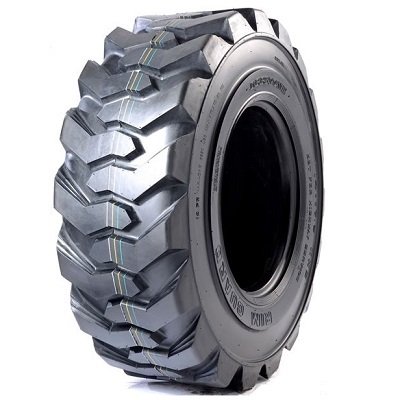
Why Proper Tire Selection is Crucial for Warehouse Operations in 2026
Selecting the right forklift tires can significantly impact your warehouse efficiency, safety, and maintenance costs. Incorrect tire choices lead to increased downtime, higher repair expenses, and potential workplace injuries. According to a recent study by Material Handling Industry (MHIA), nearly 30% of equipment breakdowns are attributed to improper tire management.Understanding the Different Types of Forklift Tires
When choosing forklift tires, it's essential to understand that not all tires are created equal. Here’s what you need to know about the major types and their applications:Solid Rubber Tires
Solid rubber tires offer durability and resistance against punctures and cuts. They provide a smooth ride on both indoor and outdoor surfaces.- Indoor Use: Ideal for environments with limited space or high traffic density.
- Outdoor Use: Suitable for areas with rough terrain but require more frequent rotation to prevent uneven wear.
Pneumatic Tires
Pneumatic tires are air-filled, providing excellent shock absorption and superior traction. They excel in outdoor applications where maneuverability is critical.-
- Indoor Use: Not typically recommended due to their larger footprint and tendency to mark floors.
- Outdoor Use: Perfect for navigating uneven surfaces or soft ground conditions.
Polyurethane Tires
Polyurethane tires combine the benefits of solid rubber with a more flexible ride. They are lightweight and can handle both indoor and outdoor environments effectively.-
- Indoor Use: Ideal in cleanrooms, food processing plants, and other areas where cleanliness is paramount.
- Outdoor Use: Versatile for various surface types, but they may require periodic cleaning to maintain performance.
Evaluating Key Factors When Choosing Forklift Tires
When selecting the best tires for your forklifts, consider these critical factors:Operational Environment
The environment in which you operate your forklift heavily influences tire select *— this surprised us when we first ran the numbers.* ion. Indoor settings usually benefit from solid or polyurethane options due to their minimal maintenance needs and reduced risk of punctures. Outdoor applications often require pneumatic tires for better traction on rough terrain.Load Capacity and Speed
Higher load capacities and faster travel speeds put more stress on tires, necessitating robust materials like pneumatic or heavy-duty solid rubber varieties. Polyurethane tires can handle medium loads but are not suitable for high-speed operations without proper maintenance.Maintenance and Replacement Costs
Solid rubber and polyurethane tires generally have lower maintenance costs than pneumatic ones due to their reduced likelihood of punctures and leaks. However, the initial investment might be higher for premium materials that offer longevity and resilience against wear.Common Mistakes to Avoid in Forklift Tire Selection
Failing to assess your specific operational needs can lead to incorrect tire choices, resulting in suboptimal performance and increased expenses. Here are a few common pitfalls:- Ignoring Environmental Conditions: Not considering the surface conditions (indoor vs. outdoor) can result in excessive wear or compromised traction.
- Neglecting Load Specifications: Overlooking the specific load capacities required for your operations may lead to premature tire failure.
- Underestimating Maintenance Needs: Pneumatic tires require regular checks and inflations, which some users might overlook.
Frequently Asked Questions
Q: What is the difference between solid rubber tires and pneumatic tires?
Solid rubber tires are maintenance-free and highly durable against punctures, making them ideal for indoor environments. In contrast, pneumatic tires offer superior shock absorption and traction but require regular checks to ensure proper inflation.Q: How often should I inspect my forklift tires?
Regular inspection is crucial. For solid or polyurethane tires, check monthly for wear patterns and surface damage. Pneumatic tires need daily checks for air pressure and leaks, especially in outdoor settings.Q: Can I switch between different types of tires on the same forklift?
Switching between tire types may affect performance significantly. It’s important to consult with a professional before making such changes to ensure compatibility and avoid potential safety hazards.Ready to Take the Next Step?
Choosing the right forklift tires is crucial for maintaining operational efficiency and ensuring worker safety. Prioritize your specific environment, load requirements, and maintenance considerations when selecting tire types. For more detailed guidance tailored to your needs, reach out to our expert team today.Related Reading:
Photo by Elevate on Unsplash
Looking for Factory-Direct Tires for Your Fleet?
Get instant wholesale specifications, custom branding, and mixed-container shipment plans.
Contact Engineering →